What Is a Collaborative Divorce in South Carolina?
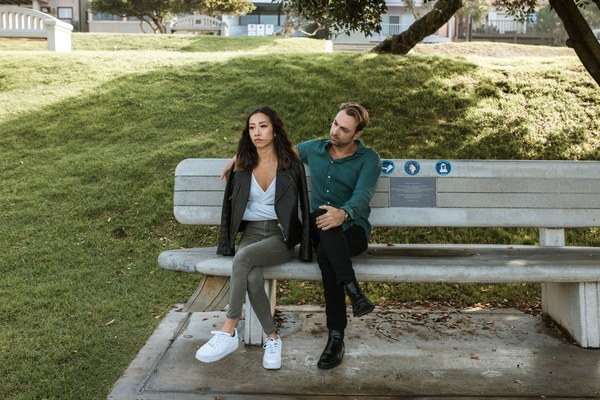
Collaborative divorce is a way to end your marriage in South Carolina where you, your spouse, and both of your attorneys commit in writing to settle every issue through private meetings instead of litigation. Each spouse has their own lawyer, both sides share financial information openly, and if the process breaks down, both collaborative attorneys must withdraw before anyone goes to court.
For couples who want to protect their children, their privacy, and their finances from a long court battle, it can be a better path. Here is how it works in South Carolina in 2026, who it fits, and what happens if it falls apart.
How Collaborative Divorce Works
In a traditional contested divorce, each spouse files pleadings, trades discovery requests, argues motions, and ultimately asks a judge to decide whatever they cannot settle. Collaborative divorce flips that structure. Everyone agrees at the outset that the goal is a negotiated settlement, and the process is designed around reaching one.
The work happens in a series of joint meetings, often called four-way meetings because both spouses and both attorneys are present. Between meetings, each attorney advises their own client privately. Together, the group works through every issue a divorce has to resolve:
- Division of marital property and debt, including the home, retirement accounts, and any business interests
- Alimony, if either spouse needs support
- Custody and a parenting plan
- Child support
Instead of formal discovery, the spouses exchange financial records voluntarily. Full and honest disclosure is a condition of the process, not a courtesy.
Collaborative Divorce Under South Carolina Law
South Carolina has not adopted a collaborative law statute, so the process here rests on the written participation agreement the spouses and attorneys sign. That agreement is a contract, and it sets the ground rules for disclosure, confidentiality, and what happens if someone walks away.
The final result still runs through the family court. Once you reach a full agreement, it is written up and submitted to a family court judge, who reviews it and, if it is fair and in the best interests of any children, approves it and grants the divorce. From that point, it carries the same force as any other court order.
The usual timing rules still apply. A no-fault divorce under Section 20-3-10 requires one year of continuous separation, and a final divorce generally cannot be granted until at least 90 days after the case is filed. Collaborative divorce does not shorten those requirements, but it lets you use that time productively instead of waiting on a crowded court calendar.
The Disqualification Agreement
The feature that makes collaborative divorce different from simply “trying to settle” is the disqualification clause in the participation agreement. If either spouse ends the process and decides to litigate, both collaborative attorneys must withdraw. Neither can represent their client in the court case that follows.
That clause changes the incentives at the table. Your lawyer has no reason to posture for trial, because your lawyer will not be the one trying it. Both sides are committed to one outcome: a settlement both spouses can sign.
The Collaborative Team
Depending on your situation, the attorneys may bring in neutral professionals to help:
- A financial neutral who organizes assets, debts, and budgets and helps both spouses understand tax and support questions
- A child specialist who helps build a parenting plan around your children’s needs without putting them in the middle
- A divorce coach who helps keep conversations productive when communication is the hard part
Because these professionals are shared rather than hired by each side, you avoid paying for dueling opinions. You do not have to use every role. A simple case may involve only the two attorneys, while a case with young children and complex assets may use the full team.
Is Collaborative Divorce Right for You?
Collaborative divorce tends to work well when both spouses want to settle respectfully, expect to keep co-parenting, value privacy, and are willing to put every financial detail on the table. It is often a good fit for couples who would otherwise consider an uncontested divorce but have issues complicated enough that they want their own lawyer guiding them through each decision.
It is not a fit for everyone. If there is a history of domestic abuse, a serious imbalance of power, or a spouse who is likely to hide assets, a process built on trust and voluntary disclosure can leave one person exposed. In those cases, the protections of a litigated case are usually the safer choice.
Frequently Asked Questions
Is a collaborative divorce legally binding in South Carolina?
Yes, once a family court judge approves the final agreement and grants the divorce. Before that point, the agreement reached in your meetings is a settlement, and it becomes enforceable through the court’s order.
Can my spouse and I use the same collaborative lawyer?
No. Each spouse has their own attorney in a collaborative divorce. One lawyer cannot represent both spouses because their legal interests are different, even when the divorce is friendly.
Do we still have to be separated for a year?
For a no-fault divorce, yes. You can begin the collaborative process while you are separated and have your agreement ready, but the divorce itself cannot be granted on no-fault grounds until the one-year separation is complete.
What happens if collaborative divorce does not work?
Both collaborative attorneys withdraw, each spouse hires new counsel, and the case proceeds in family court. Because starting over costs time and money, both spouses have a strong reason to stay at the table.
Talk to a Rock Hill Collaborative Divorce Lawyer
A divorce does not have to turn into a war over your children, your home, and your savings. If you and your spouse want a private, respectful way to move forward, our South Carolina collaborative divorce lawyers can tell you whether the process fits your situation and what to expect at each stage. Okoye Law serves families in Rock Hill, Fort Mill, and across York County. Contact Okoye Law to schedule a free, confidential consultation.
Author Bio

Colin Okoye is the CEO and Managing Partner of Okoye Law, a Rock Hill, SC, criminal defense, personal injury, and family law firm. With years of experience, he has zealously represented clients in various legal matters, including DUI charges, divorce cases, and car accidents.
Colin received his Juris Doctor from the Charlotte School of Law and is a South Carolina Bar Association member. His previous experience working as an Assistant Public Defender in the Sixteenth Judicial Circuit has equipped him with the necessary skills and knowledge to represent clients in a wide range of cases effectively.